Articles
Integrative Process
Integrated Construction Process in Uganda: How to achieve better building results?
Would you like to achieve the best possible results during your construction project in Uganda?
Whether you are planning to build a residential house, commercial property, apartment, office, or luxury villa in Kampala or anywhere in Uganda, success always starts with one important factor: an integrated construction process.
Many construction projects fail because professionals work separately instead of working together as one coordinated team. This creates delays, unnecessary costs, design conflicts, repetitive work, and stress for the property owner.
In this post, we explain how the Integrative Process works in modern construction projects and why it is essential for high-quality building results in Uganda.
Step 1: Start with the Right Architectural Office
Imagine you have purchased land in Uganda and you are ready to build your dream house.
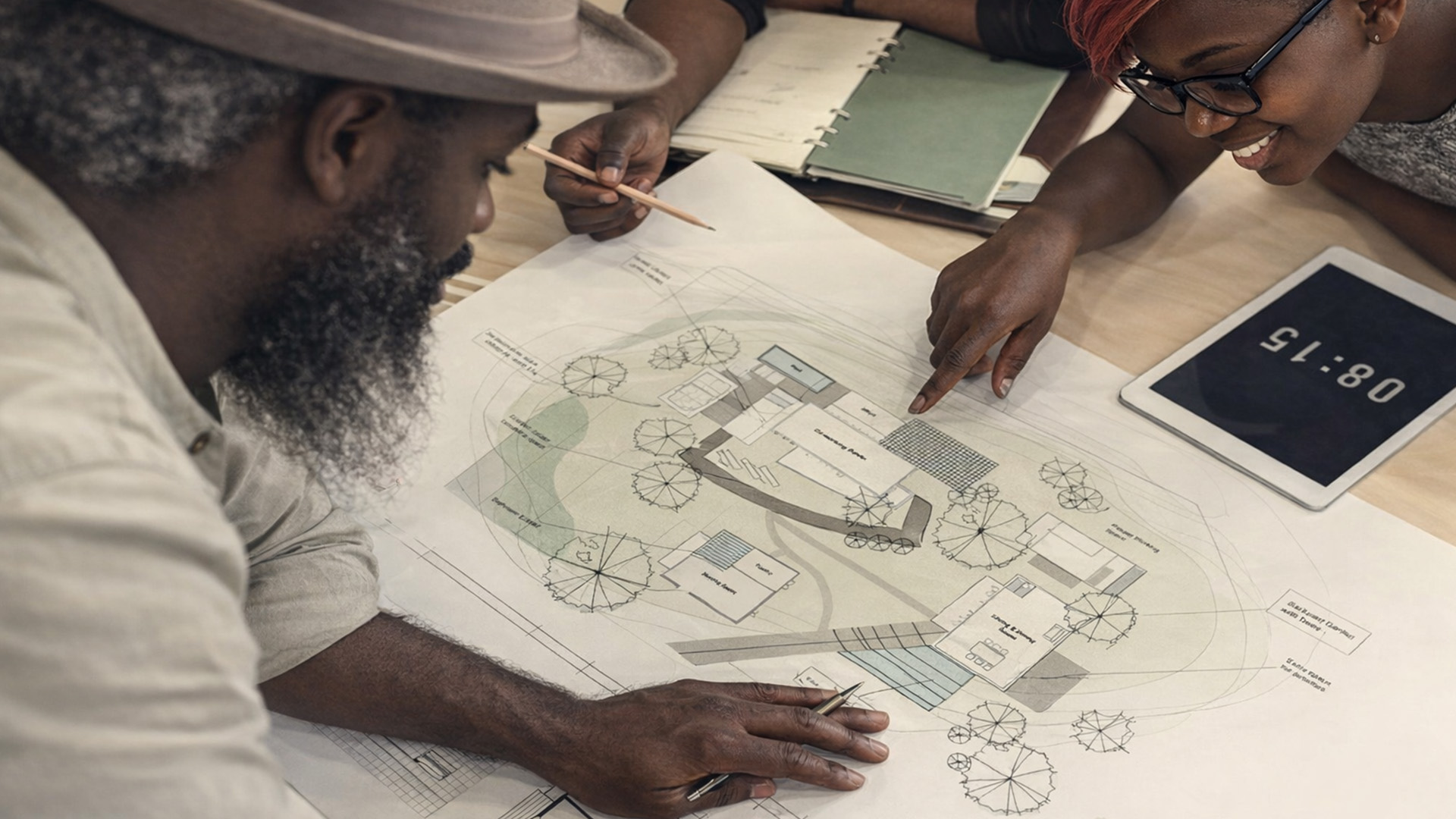
The first step should always be finding a professional architectural office or construction design company in Kampala or your local city. During your first meeting, you will normally discuss:
-
- Your plot and land documents
- Your budget expectations
- The number of rooms and spaces you need
- Your preferred architectural style
- Sustainablity and enery efficiency goals
- Future expansion possibilities.
A professional architect will study your land conditions and begin creating a conceptual design that matches your vision.
However, the real success of the project begins after the concept stage.
Step 2: The Integrated Project Team Begins Working
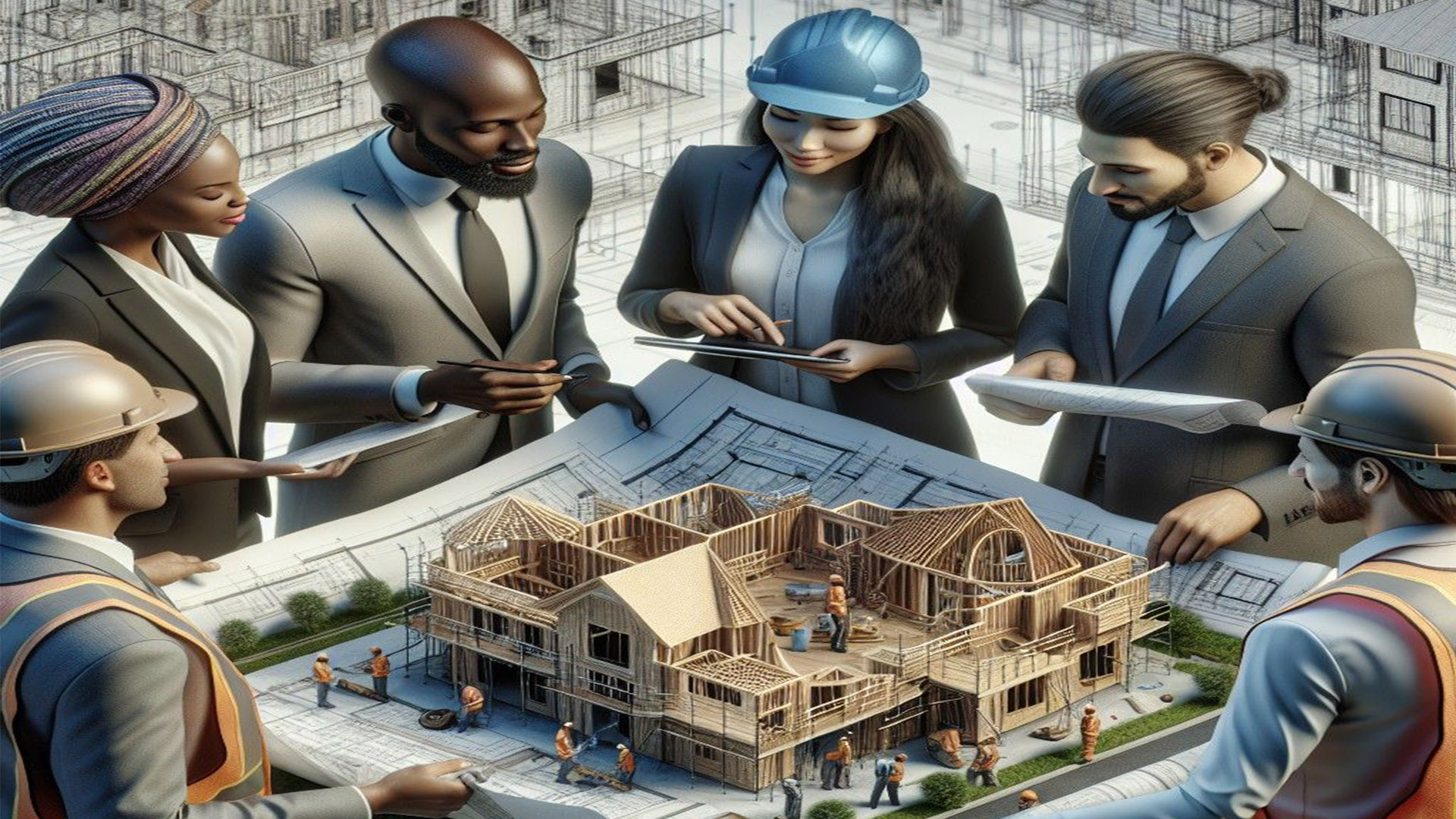
Modern construction projects require an Integrated Project Team.
This means that all technical professionals collaborate together from the early stages of design until project completion.
A strong integrated construction team may include:
-
- Property Owver / Project Developer
- Architect
- Civil / Structural Engineer
- Electrical Engineer
- Lighting Designer
- HVAC Engineer
- Plumbing Engineer
- Interior Designer
- Landscape Architect
- Contractor and Subcontracts
- Quantity Surveyor
- Project Manager
- Additional Consultants depending on project requirements
Instead of working independently, all professionals coordiante continuously throughout the project.
This coordination reduces errors and increases construction quality significantly.
Why the Integrative Process in Important in Uganda?
In Uganda, many construction projects experience challenges because disciplines are not coordinated properly.
For example:
-
- When we visit the site for door measurements, we find the electrical switches on the wrong wall. It doesn't match with door opening.
- Some people request from us to install the polycarbonate sheets on their pergola. However, we don't see the slope arranged during the fabrication from different individual welder.
- Some ceiling designs have conflict with electrical systems.
- Air condioning systems may not fit architectural spaces.
The problems usually happen when professionals work separately without integration.
If we achieve to work all together, this saves;
-
- Time
- Money
- Materials
- Labor costs
- Project delays
Most importantly, it will keep the motivation up and property owner will have less stress.
Regular Coordination Meetings Matter
One of the most important parts of an integrative process is communication.
Successful construction projects in Kampala and across Uganda require regular project coordination meetings between all stakeholders.
These meetings help the team:
-
- Solve the techical problems early
- Review construction progress
- Coordinate design updates
- Provent misunderstandings
- Improve scheduling efficiency
- Maintain project quality standards.
Without communication, even a good design can fail during construction.
A construction project is like a system where every professional depends on the others.
Without integration, construction becomes complicated, repetitive, and expensive.
Remember:
No integration, no efficiency.
No collaboration, no excellence.